
Gardena Neighbors by Block Source
The immediate Gardena block has several record layers. The Assessor GIS view establishes which parcels touch the target. A counter roll can answer a lawful owner question for an identified parcel. The Recorder holds title parties. City files show public project or code activity. Voter and community records have separate limits. The coverage table keeps a Gardena block search tied to the source that can actually answer it.
| Source | What it shows about a block | Access |
|---|---|---|
| Gardena Assessor Parcel Viewer | Adjacent parcel geometry, AIN, situs, map context | Free web map |
| Gardena Assessor counter roll | Owner or mailing fields for an identified parcel when allowed | District-office counter or data rules |
| Gardena Recorder index and documents | Legal-title parties, transfers, easements, liens | Norwalk counter or paid request |
| Gardena permits and code | Address-specific work, inspections, notices, and status | Department route or request |
| Gardena restricted voter material | Voter fields only for self or permitted statutory purpose | Application, fee, and use limits |
| Gardena civic and neighborhood groups | Public officers, meetings, service area, or voluntary contacts | Public page when published |
A Gardena parcel neighbor is not automatically a neighbor household. The map proves land adjacency. It does not prove a social connection, shared access, or who is inside a structure.
Map Gardena Neighbors by Parcel
A Gardena block can include a corner parcel, an alley-facing lot, a rear parcel, or a non-household commercial use. Mark each relationship on the map rather than assuming that the shortest distance is the legal boundary. Save the map date and parcel result before requesting any named record, because boundaries, mailing lines, and assessment facts can change.
Start with the Gardena target street address in the Assessor Parcel Viewer. Zoom until outlines are clear, click the target, and save its AIN and situs. Then click each adjoining outline in turn. Include cross-street corners and rear-lot adjacency, but do not treat every nearby outline as a household. The viewer is an assessment aid, not a survey.
- Search the Gardena address or AIN and confirm that the map target matches the situs.
- Switch between parcel, basemap, and aerial context to see the Gardena street, corner, and rear-lot relationship.
- Record each adjoining Gardena AIN and address as a separate parcel, with a map date.
- Use the Gardena Assessor counter, Recorder, or City Hall only for the specific parcel and record category.
- Stop at Gardena land adjacency unless a separate, lawful source supplies a public contact or dated name.
The same address-to-AIN step supports a Gardena block search and a full street search, but the block view owns the adjacency question.
Gardena Neighbor Owners at the Counter
LA County's public Assessor site searches by Gardena address or AIN but does not display owner names online. Government Code restrictions are the county's stated reason. Owner information can be inspected at district offices or obtained through Property Data Sales, subject to the applicable rules. Start with one identified adjoining parcel rather than asking for a neighborhood list.
Owner and mailing fields describe a dated Gardena land relationship. A trust, entity, management address, or ordinary mailing preference can make the mailing line differ from the situs. A title owner may not be the occupant, and non-owner household members will not appear in the owner field.
- Gardena adjoining parcel
- Land that touches the target parcel on the map, not a named household.
- Gardena mailing address
- Where tax correspondence goes, which may not be the physical parcel.
- Gardena situs
- The physical location of the assessed land.
- Gardena AIN
- The ten-digit identifier used to keep each parcel distinct.
Keep the owner, mailing addressee, and occupant questions separate in a Gardena block worksheet.
Adjoining Gardena Deed Chains
The Recorder's Gardena grantor-grantee index is not available on the public web. For an identified parcel, use the RR/CC real-estate request when a document number or date is known. For exploratory work, use the Norwalk counter. A deed, lien, easement, or reconveyance can show a legal party or property burden connected to an adjoining parcel.
Read the Gardena legal description and AIN along with the street address. An adjoining owner may be a trust or company. A deed return address may be a transaction contact. The recording date is not the same as a move date. Compare the adjoining chain only when the question is title history, boundary context, or a documented transfer.
| Gardena grant deed | Transfer language and named grantor or grantee. |
|---|---|
| Gardena easement | A recorded use or access burden affecting land. |
| Gardena lien and release | A dated recorded connection to the parcel and its later release. |
| Gardena reconveyance | Release of a secured instrument after the recorded obligation ends. |
Gardena Neighbors and Permits Around a Block
Gardena Community Development routes permits, planning applications, inspections, and code cases by address. A block comparison can show when nearby projects were filed, inspected, or closed. It can name an applicant, contractor, architect, or property representative. It cannot prove who occupied a parcel. Request existing records with the address, category, and date range.
A Gardena code complaint may contain protected complainant information. Ask instead for the case log, notices, inspection dates, orders, and final disposition, with private fields redacted. A city service request is not automatically a records request; once a case exists, request its disclosable record separately.
The Gardena City Clerk CPRA route explains how to request city-held material.
Gardena Neighbors: Voter Rolls Do Not Map the Block
California My Voter Status is an individual's self-verification service. It asks for identity fields and returns the user's own status, party preference, registration address, precinct information, vote-by-mail status, and participation history where available. It is not a public Gardena block list.
Government Code section 7924.000 and Elections Code section 2194 protect Gardena home address, phone, email, precinct number, prior registration, signature, and identity fields. LA County accepts some certified or historical requests for a permitted purpose, with fees and use declarations. Bulk products are not a casual neighbor lookup.
The official Gardena request page shows the difference between a personal status check and an authorized records route.
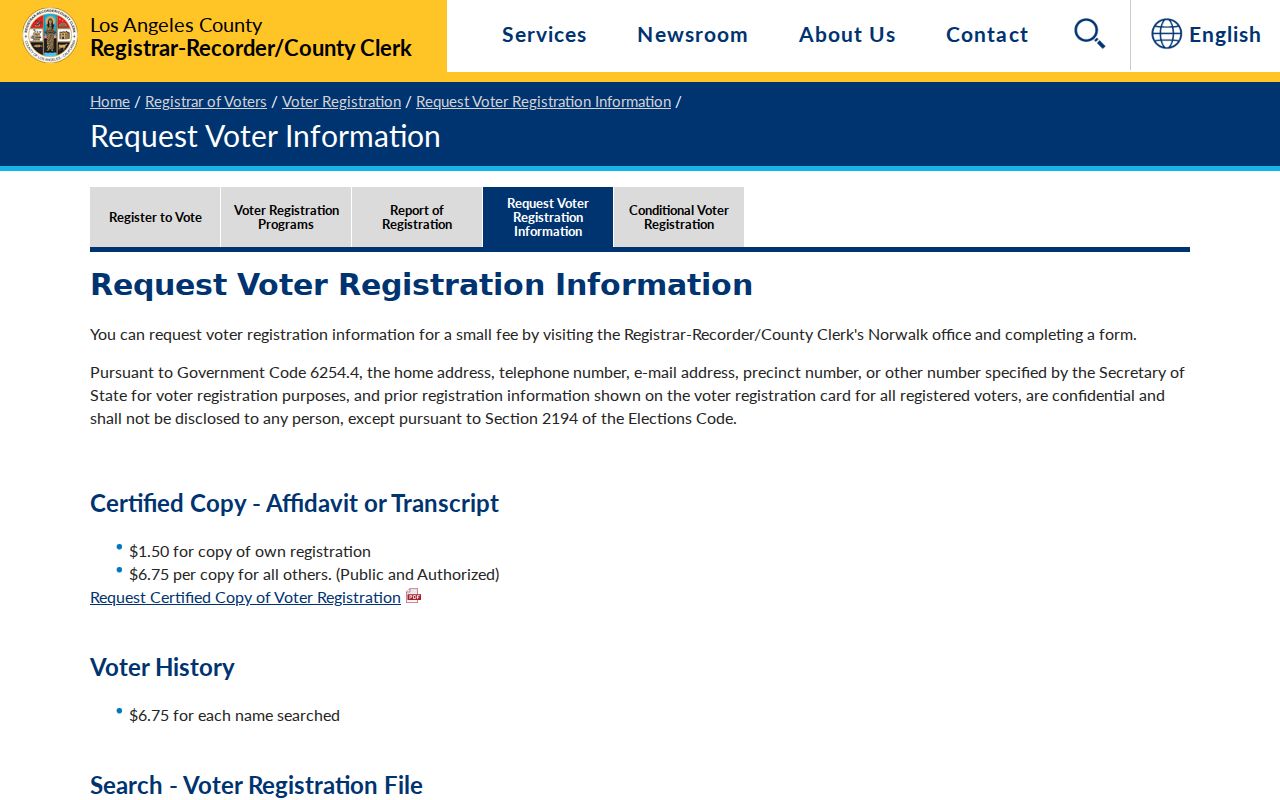
Even a permitted Gardena voter record should be labeled by date and statutory purpose, never presented as a complete list of Gardena neighbors.
Gardena Civic Contacts, Not Rosters
A Gardena meeting notice can establish that an organization served an area at a date; it cannot establish that a particular household belonged to it. Community history can also lead to Mayme Dear's vertical files, Japanese Relocation Camp Collection, school annuals, or local newspaper sources. Those are useful for a past neighborhood story, while modern membership and contact details remain controlled by the organization that chose to publish them.
Gardena has City Council districts, citywide commissions, Neighborhood Watch activity, block clubs, and civic or nonprofit organizations. Public officer and meeting pages can supply a contact route or service area. Research did not locate a comprehensive official neighborhood-association inventory with member directories. That gap matters: a public representative is not the same as a private membership roster.
| Community layer | Useful public clue | Boundary |
|---|---|---|
| Gardena City Council or commission | District, meeting, agenda, or public official | Does not identify household members |
| Gardena Neighborhood Watch or block club | Public safety contact or meeting route when published | Roster may be private |
| Gardena civic or nonprofit group | Officer, event, service area, or public contact | Voluntary publication only |
| Gardena church, temple, or cultural institution | Historical or community archive lead | Modern membership data may be closed |
Use the Gardena public contact to ask a precise institutional question. Do not ask a group to disclose members or infer a person from a missing roster.
Gardena Neighbors: Custody and Registry Context
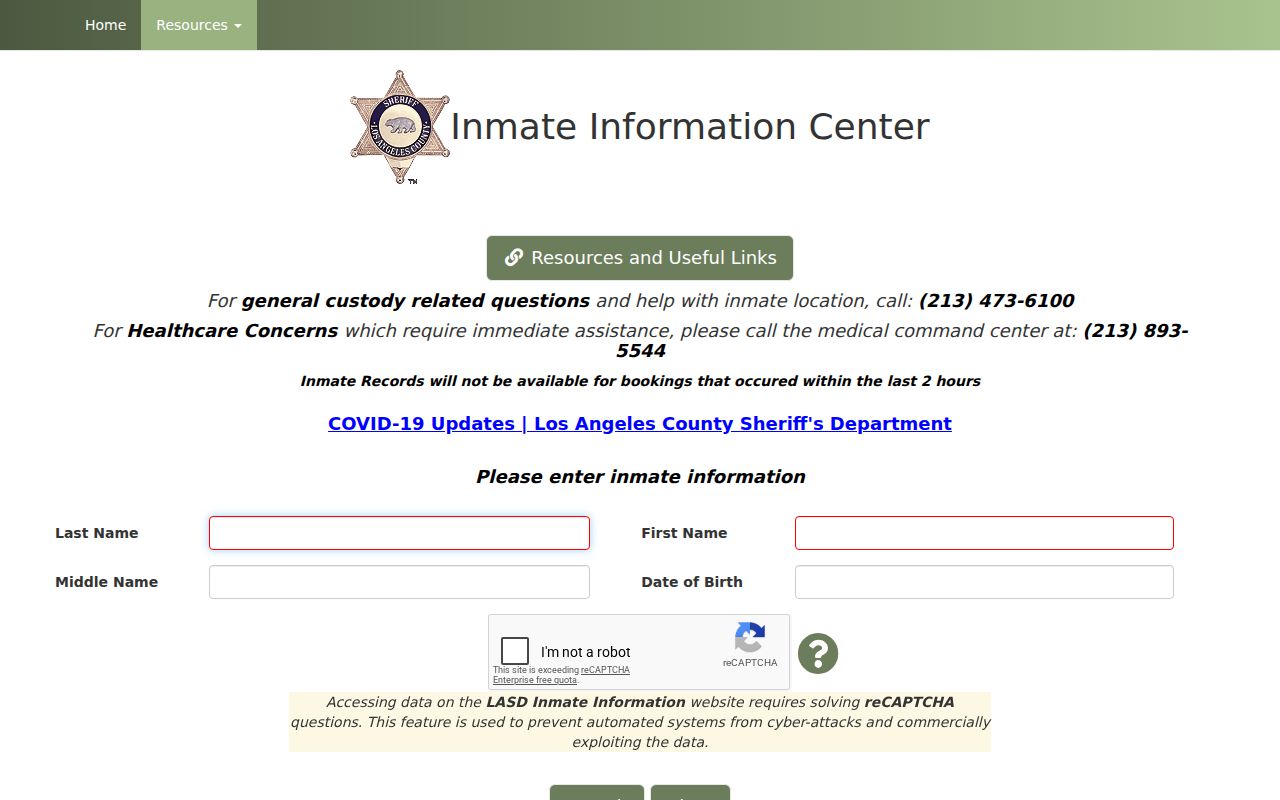
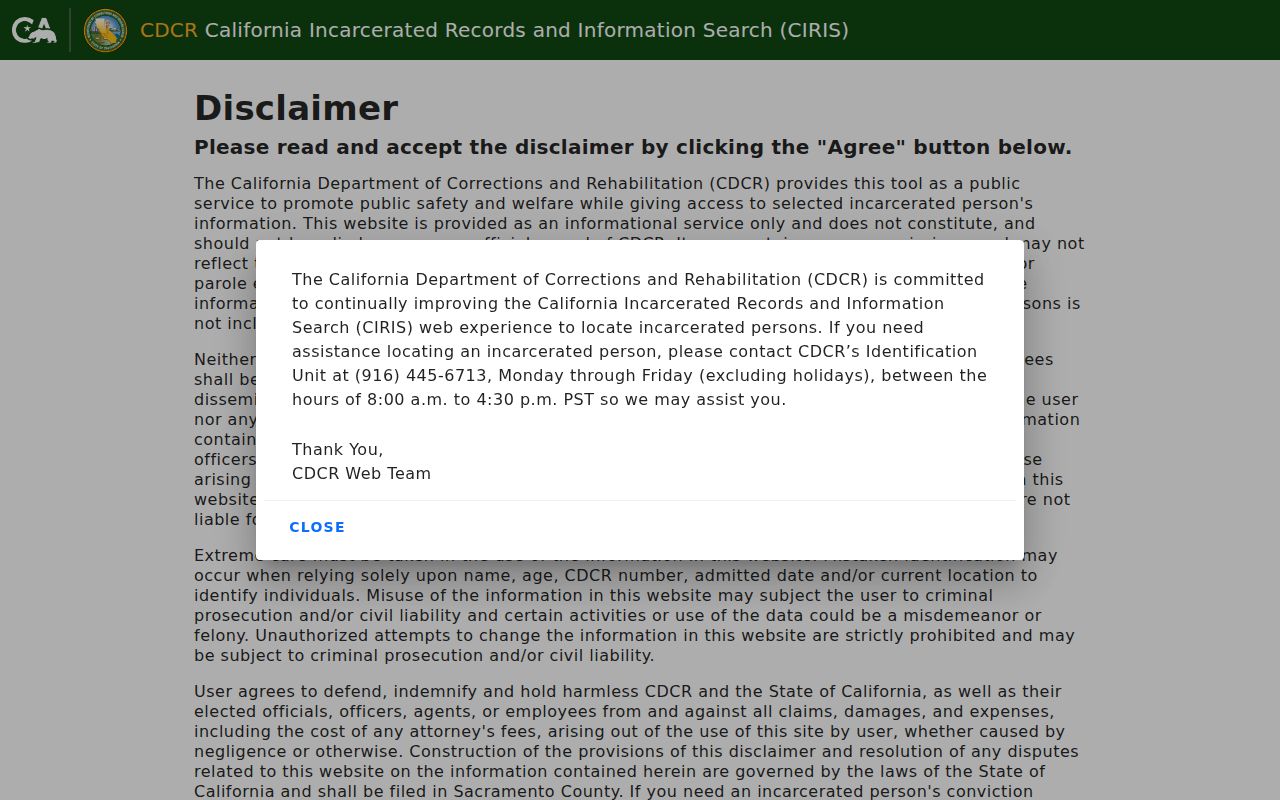
Some public tools are mistaken for a Gardena neighborhood directory. The Los Angeles County Sheriff Inmate Information Center describes current or recent county custody. The California Department of Corrections and Rehabilitation locator describes state-prison data. Neither proves that a person lived near an address. A release date can be projected, and a booking entry is not a conviction.
The LA County custody search is shown as a separate Gardena public record tool.
For Gardena state-custody context, use the CDCR locator and keep its jurisdiction separate.
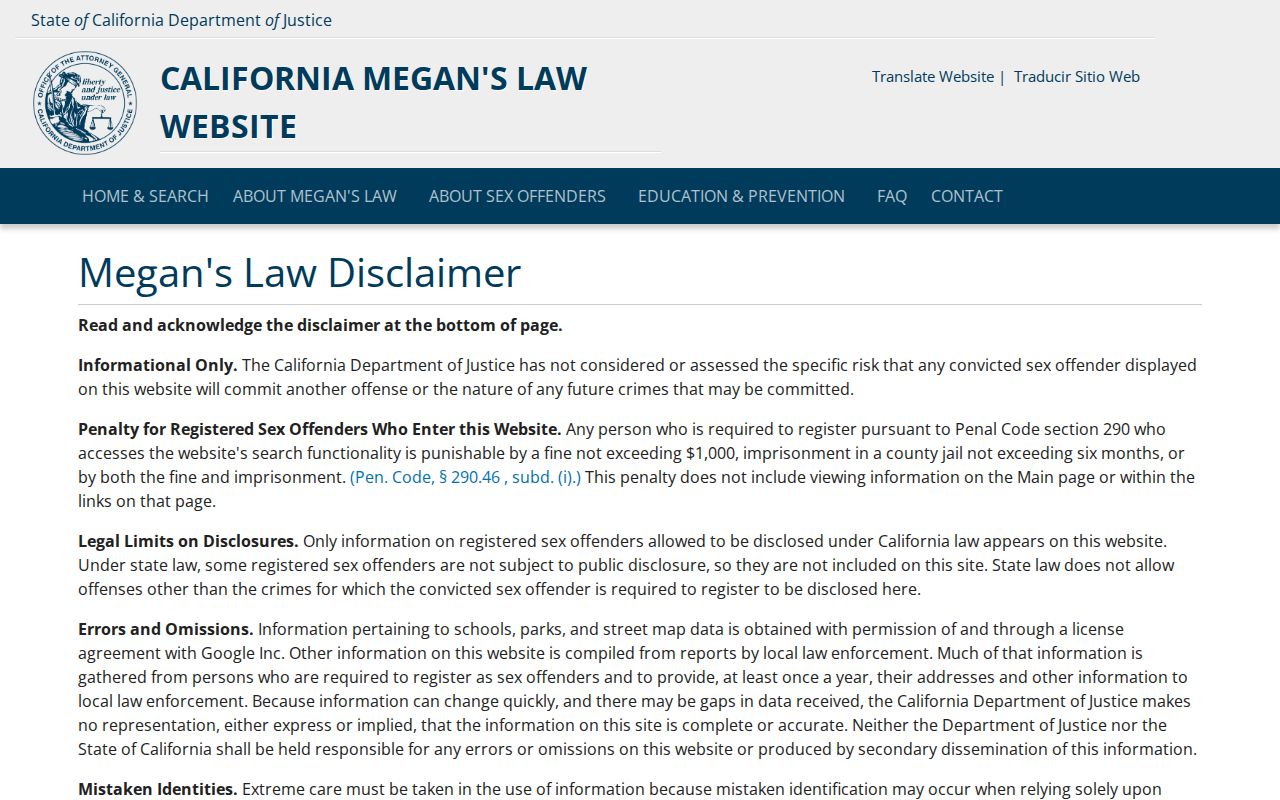
Megan's Law supports a Gardena name or map search under its own disclosure categories, but it is not a complete residents directory and prohibits harassment.
When a Gardena question is about a block, start with parcel adjacency and use these other tools only for their stated record purpose.
Privacy for Gardena Neighbors
Safe at Home gives eligible Gardena survivors a substitute mailing address and confidential forwarding. The Assessor suppresses owner names online. Voter law protects registration-card details. Code files can protect complainants and victims. These are not empty spaces to fill with an inference. A person who is absent from a public result may be protected, not unconnected.
Lawful use. A Gardena neighbors search is for personal, lawful research, family history, property context, or civic information. Never use records to stalk, harass, threaten, intimidate, or harm another person.
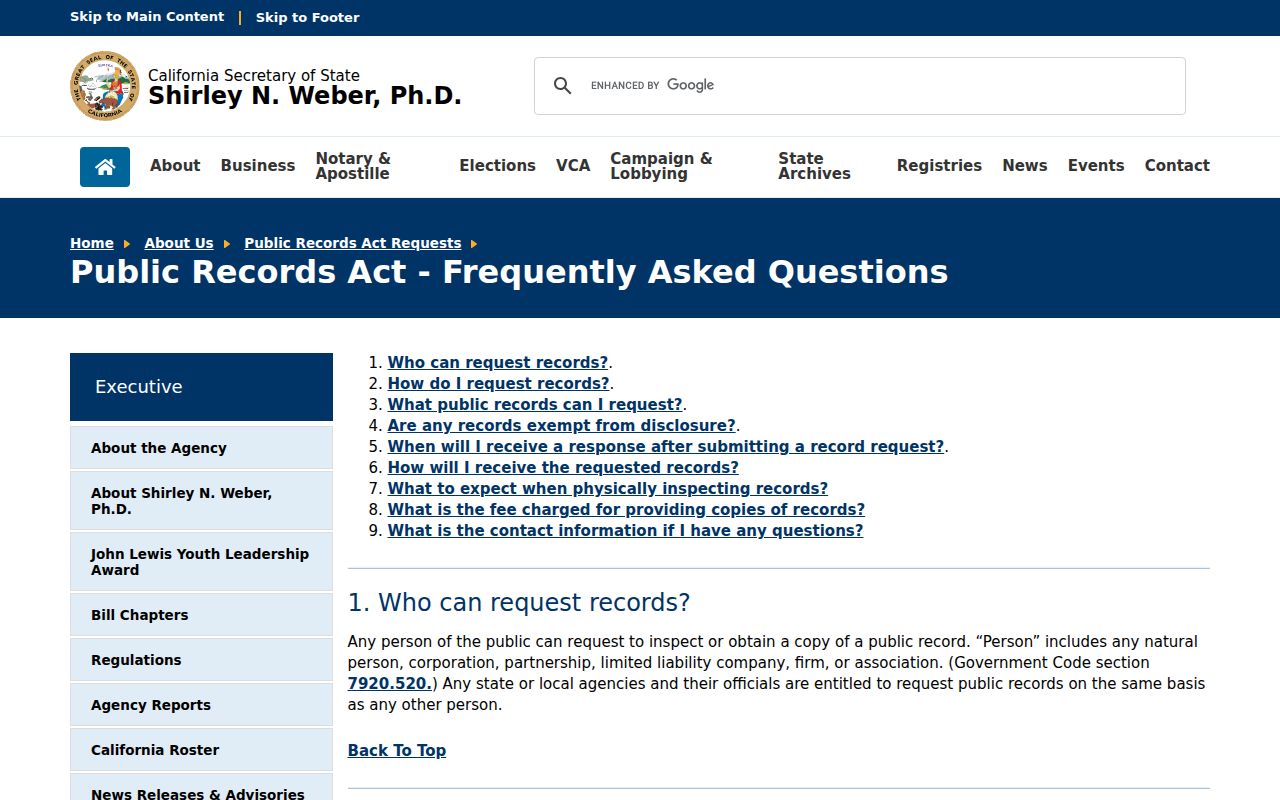
Gardena Public Records Act requests under California law should identify an existing record, address, date range, and department. The SOS explains that agencies generally determine a request within 10 calendar days, with a possible 14-day unusual-circumstances extension. The CPRA FAQ shows the request framework.
A respectful Gardena block lookup ends when the public source ends. It does not turn private rosters, protected addresses, or incomplete records into a named neighbor list.